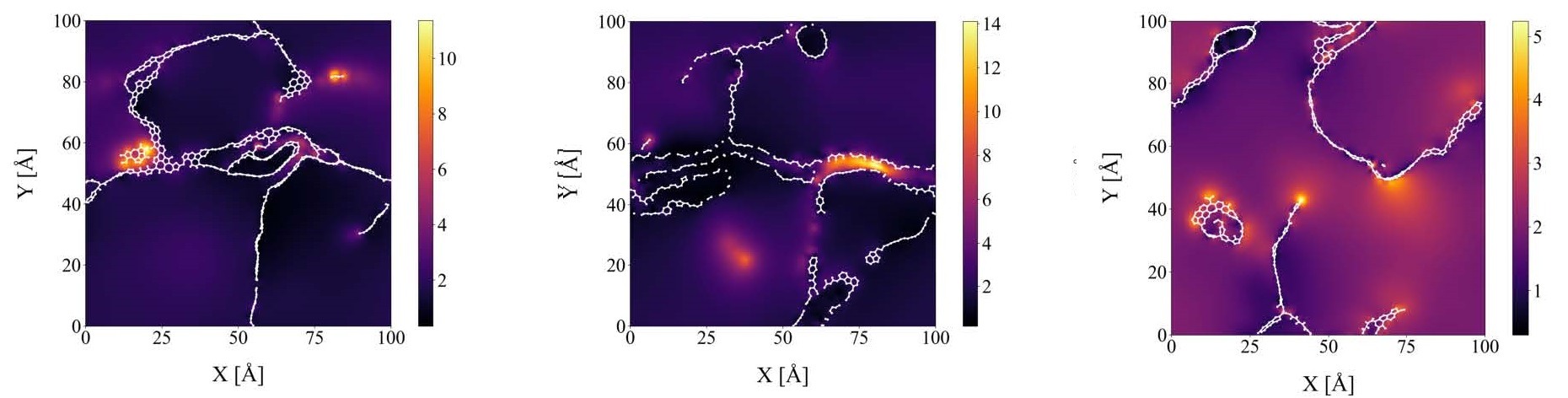
Electric Field Enhancements and Hot Spots in Amorphous Carbon Materials
Amorphous carbon (a-C) represents a broad and technologically relevant class of carbonaceous materials whose rich morphological diversity, characterized by nanoporosity and defective networks, endows...

Advanced Electron Microscopy of Clusters Grown Inside Superfluid Helium Droplets: Advances, Challenges, and Perspectives
Superfluid helium nanodroplets act as ultracold, nanoscale “cryostats” that enable the synthesis of exceptionally pure metallic, bimetallic, and hybrid nanoparticles with precise control over size and...

On the Cover: Fluxional Atomic Metal Clusters
Cover Feature: Fluxional Atomic Metal Clusters Small Structures: Volume 7, Issue 2 February 2026 Although built from heavy-metal atoms, in their Research ...

Chemically Accurate Prediction of CO2 Adsorption Thermodynamics in Metal–Organic Framework CALF-20: Complementary Ab Initio Modeling and Grand Canonical Monte Carlo Simulations
Carbon dioxide adsorption thermodynamics in the metal–organic framework CALF-20, a hydrothermally stable candidate for carbon capture, are predicted using two complementary approaches. An analytical a...
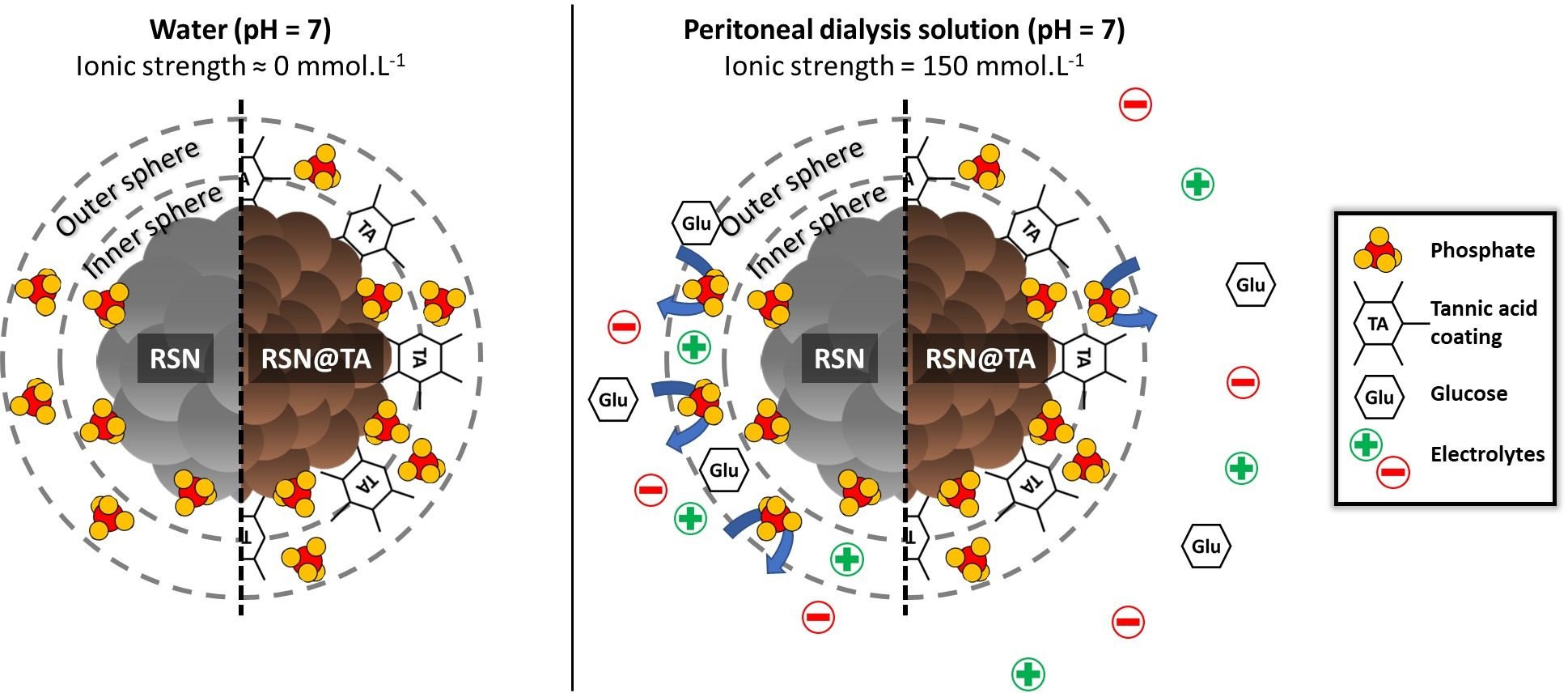
Addressing phosphate removal issues during peritoneal dialysis using colloidally stable iron oxide nanoclusters coated with tannic acid
Removal of chronic excess phosphates in blood is critical for patients suffering from end-stage renal disease (ESRD). ESRD patients can be treated with peritoneal dialysis (PD), during which phosphate...
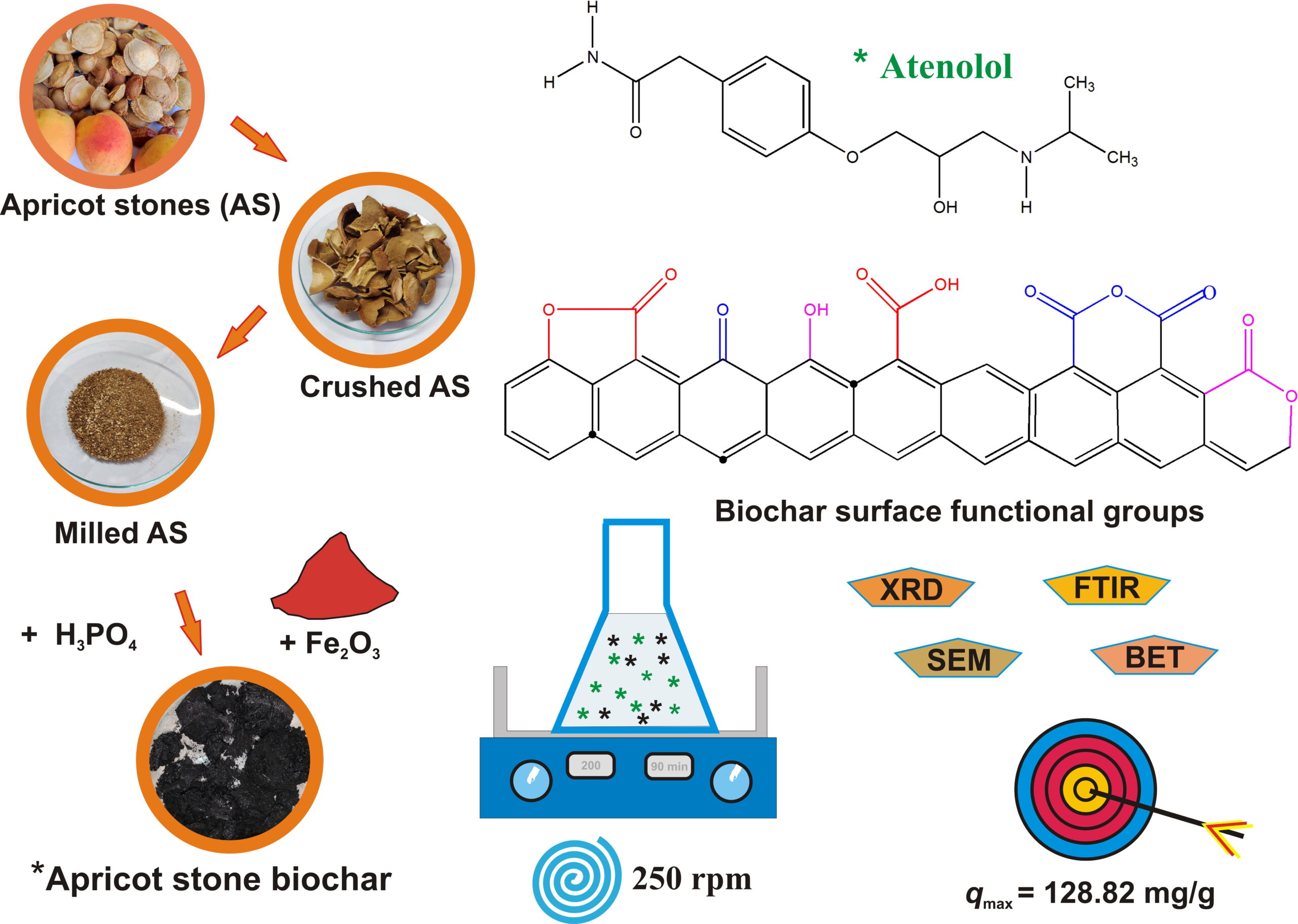
Assessing performance of atenolol removal from contaminated water using zero-valent iron impregnated apricot stone biochar
This study investigates the performance of zero-valent iron (ZVI) impregnated apricot stone-derived biochar (ZVI/ASB) for the removal of atenolol (ATL), a widely detected pharmaceutical pollutant, fro...